 Miles Calculator
Is business class worth it for the miles alone?
Figures checked October 17, 2026
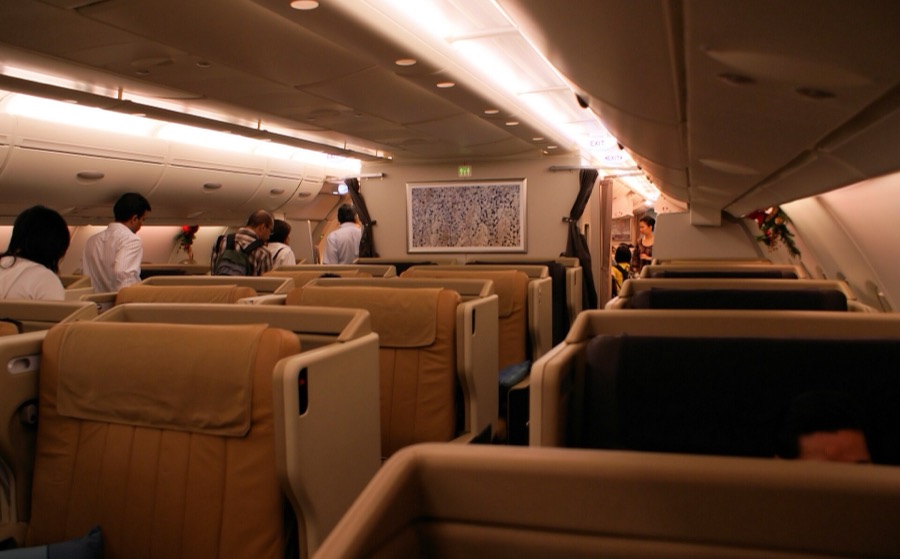
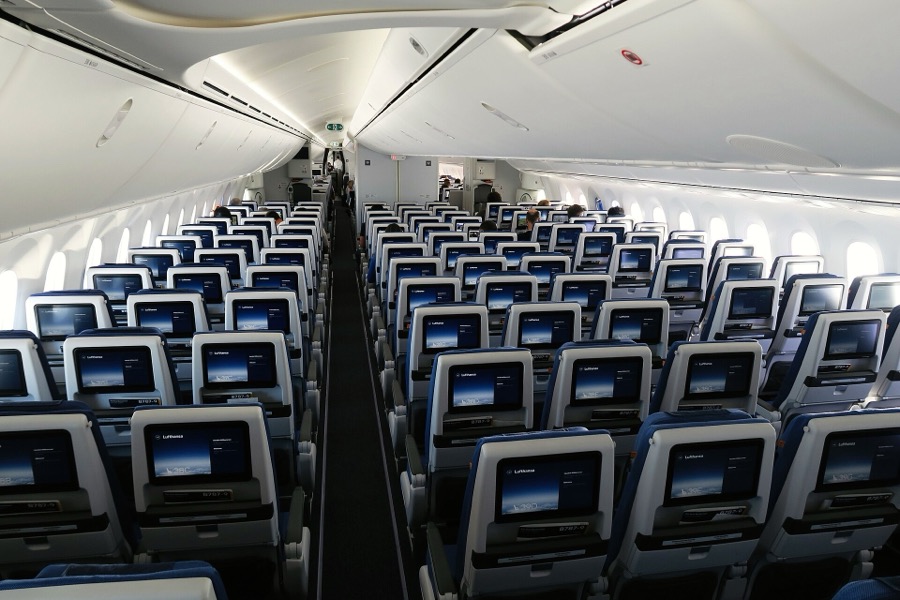
In our examples, a business-class ticket costs four to five times as much as economy. It also earns more miles, but how many more depends on the fare class and the program. On Turkish, the step from economy to business adds only 35% to the miles. On Air Canada's Aeroplan it multiplies your status credits by more than eight. This page uses the status calculator to show the same trip in each cabin, so you can see what the extra money buys.
The short version
| Trip | Economy earns | Business earns | Extra cost of each extra mile |
|---|---|---|---|
| London–SingaporeSingapore Airlines | 10,148 | 16,913 | 49p |
| New York–IstanbulTurkish Airlines | 9,999 | 13,498 | 86¢ |
| Toronto–LondonAir Canada, status credits | 2,600 | 22,000 | 22¢ |
"Extra cost of each extra mile" is the extra fare divided by the extra miles earned. Fares are our assumptions, so replace them with the ones you see. We don't put a value on a mile here, because that depends on what you redeem it for. If a mile is worth less to you than the figure in the last column, the miles alone don't justify the upgrade.
1. London to Singapore on Singapore Airlines (KrisFlyer)
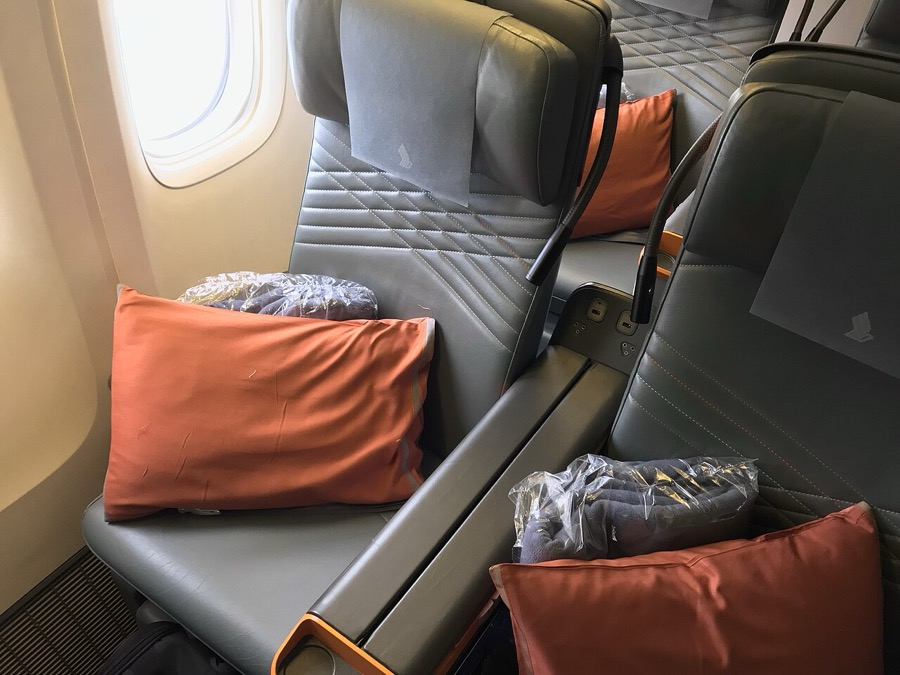
KrisFlyer rewards the fare you buy, not just the cabin. Standard economy (H) earns 75% of the distance, a discounted premium economy fare (R) earns 100%, and discounted business (D) earns 125%. Full-fare business (C) earns 150%. Elite Gold, which is Star Alliance Gold, needs 50,000 Elite miles in a year.
| Cabin and fare | Fare, round tripassumed | Elite miles earnedround trip | Cost of each one | Round trips to Elite Gold50,000 needed |
|---|---|---|---|---|
| Economystandard fare (H, 75%) | £900 | 10,148 | 9p | 5 |
| Premium economydiscounted (R, 100%) | £1,900 | 13,531 | 14p | 4 |
| Businessdiscounted (D, 125%) | £4,200 | 16,913 | 25p | 3 |
| Businessfull fare (C, 150%) | £5,200 | 20,296 | 26p | 3 |
Business gets you there in three round trips instead of five. Each step up costs more per extra mile than the one before. Premium economy adds 3,383 miles for £1,000, or 30p each. Discounted business adds 6,765 miles for £3,300, or 49p each. Full-fare business costs £1,000 more than discounted business and adds 3,383 miles, 30p each, which is cheaper per mile than the first step up into business. Once you are in the cabin, the top fare class is the cheaper way to add miles.
2. New York to Istanbul on Turkish Airlines (Miles&Smiles)
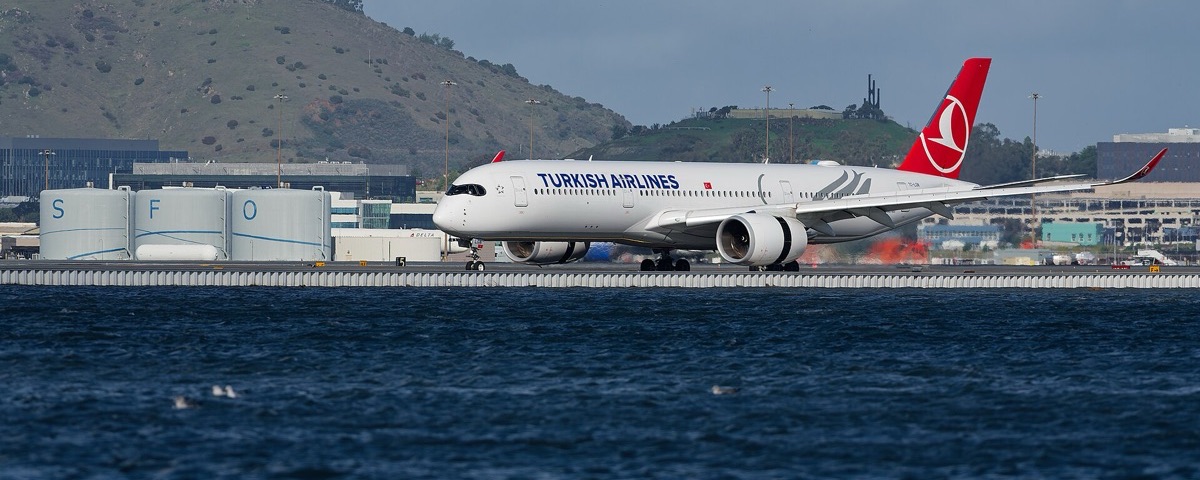
Turkish's earning is simple. Standard economy (M) already earns 100% of the distance, business (K) earns 135% and full-fare business (C) earns 150%. Elite, which is Star Alliance Gold, needs 40,000 Status Miles.
| Cabin and fare | Fare, round tripassumed | Status Miles earnedround trip | Cost of each one | Round trips to Elite40,000 needed |
|---|---|---|---|---|
| Economystandard fare (M, 100%) | US$1,000 | 9,999 | 10¢ | 5 |
| Businessstandard (K, 135%) | US$4,000 | 13,498 | 30¢ | 3 |
| Businessfull fare (C, 150%) | US$5,000 | 14,998 | 33¢ | 3 |
This is the weakest case for paying more. Business K earns 3,500 extra miles for US$3,000 more, which is 86 cents for each extra mile. It saves two round trips on the way to Elite. If you want the seat, the miles are a small bonus. If you are choosing for the miles alone, economy M earns them far more cheaply. Cheap economy is the opposite trap: Turkish W earns only 25%, so see the full list of fare classes.
3. Toronto to London on Air Canada (Aeroplan)
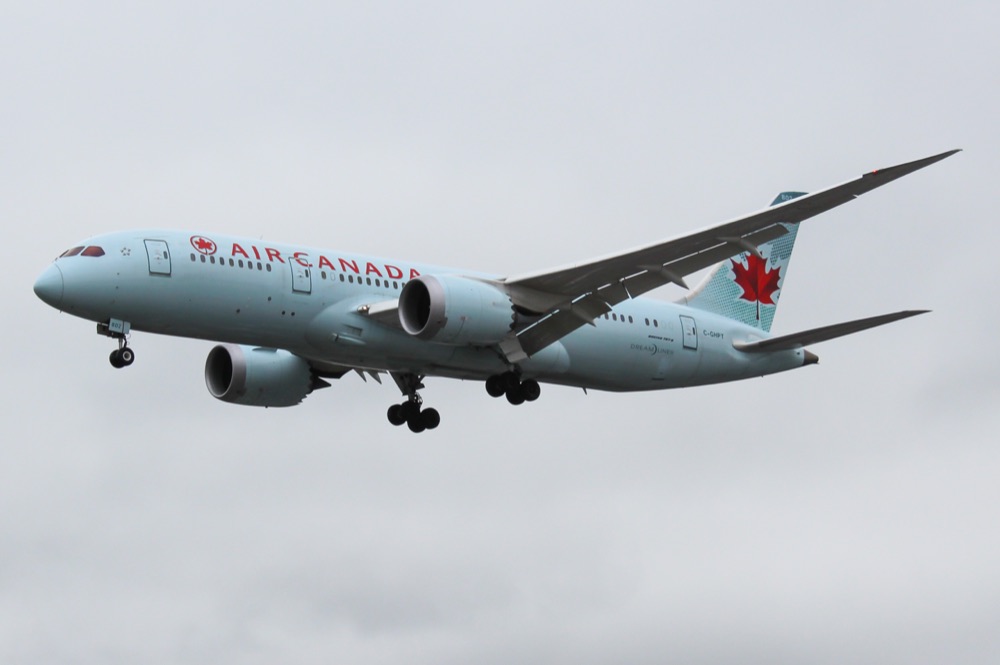
Aeroplan status now works on what you spend. You earn Status Qualifying Credits (SQC) at 2 per Canadian dollar on a Standard fare and 4 per dollar on Flex and above. Star Alliance Gold (Aeroplan 35K) needs 35,000 SQC. We use the same fares as our Canadian flyers article.
| Cabin and fare | Fare, round tripassumed | SQC earnedround trip | Cost of each one | Round trips to 35K35,000 needed |
|---|---|---|---|---|
| EconomyStandard fare | CA$1,300 | 2,600 | 50¢ | 14 |
| BusinessFlex fare or above | CA$5,500 | 22,000 | 25¢ | 2 |
This is the opposite case: business is cheaper per status credit. A Standard ticket costs 50 Canadian cents for each SQC, while a Flex or business ticket costs 25. Two round trips in business reach 35K, and the economy flyer needs fourteen. Each extra credit costs 22 cents. If your goal is status and you fly Air Canada, the fare type matters more than the cabin, and Flex economy earns the same 4 SQC per dollar as business.
What this tells you
- Distance-based programs reward the class you book. The cabin helps, but the letter matters just as much. Business D on Singapore Airlines earns 125%, and the cheapest economy K earns 50%.
- Spend-based programs reward the money you spend. If a program pays per dollar, the cheapest way to earn status is often a fare that pays more per dollar, not the cheapest fare.
- Miles alone rarely justify a business fare. In these examples each extra mile costs between 22 and 86 cents. Compare that with what a mile is worth to you. Business class makes the most sense when you want the seat, with the miles and status as a bonus.
- Check for deals on cabins. A promotional business fare that earns 125% or more, with a price close to premium economy, changes the sums.
How we worked it out
Miles come from the status calculator on October 17, 2026, which uses each program's published fare-class chart: Singapore Airlines' and Turkish's own earning rules, and Air Canada's Aeroplan rules. Round trips double the one-way figures. The fares are assumptions for illustration; change the fare in the calculator to match your own booking. Each figure in the tables links to the calculation.
Pick a program, choose the fare class from your booking, and compare cabins on your route.
Open the status calculator